
Introduction
Retro color palettes are specific sets of colors inspired by past decades. These schemes usually pull from the vibrant neon of the 80s, the earthy tones of the 70s, or the soft pastels of the 50s. By using these combinations, designers can instantly evoke a sense of history and “old-school” charm in any visual piece.
Have you ever looked at a design and felt an immediate sense of comfort or “cool” without knowing why? That is the power of nostalgia. Using the right vintage colors can trigger happy memories and create an emotional bond between your brand and your audience. It turns a simple project into a story that people already feel they know and love.
In this guide, we will explore how to blend these classic vibes with modern design standards. You will learn which specific color codes work best for digital platforms and how to balance bold, aged hues with clean layouts. Let’s dive into the best nostalgic palettes that are making a huge comeback in today’s creative world.
Retro Color Palette Designs
Creating a retro design is all about picking the right era. Each decade has a unique look that tells a different story. For example, the 1960s used bright, “mod” colors like hot pink and orange. In contrast, the 1970s leaned into warm, muted tones like avocado green and harvest gold. Choosing these colors helps your project stand out with a classic feel.
To make these designs work today, you should mix vintage shades with modern white space. This keeps the look fresh instead of feeling outdated. Here are a few popular retro color styles to consider:
- 1950s Pastel: Soft mint green, baby blue, and pale pink for a clean, “diner” look.
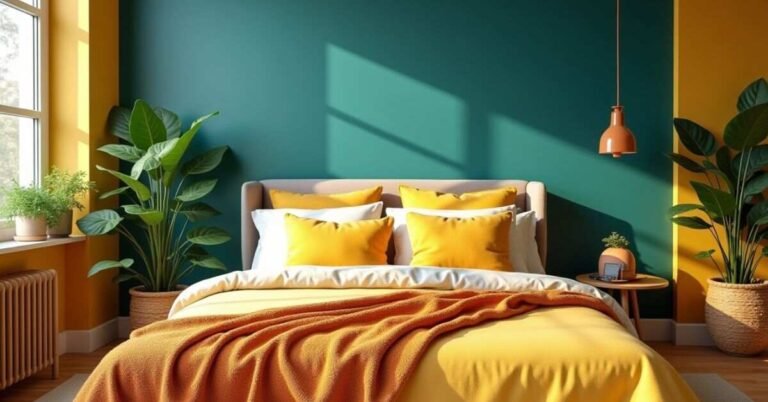
- 1970s Earthy: Deep mustard yellow, burnt orange, and chocolate brown for a cozy vibe.
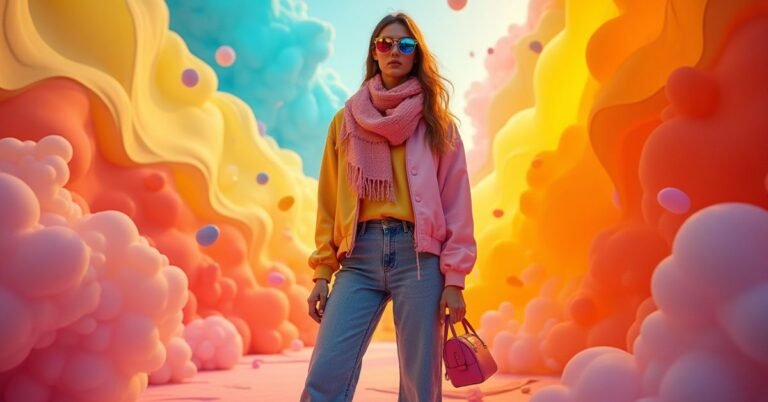
- 1980s Neon: Electric purple, hot pink, and bright cyan for high energy.
- 1990s Muted: Grunge-inspired olives, greys, and navy blues.
Retro Color Palettes for Every Mood
Colors have a special way of changing how we feel. Retro color palettes are great for this because they carry a lot of emotion. If you want your project to feel cozy and safe, you might choose warm, faded tones from the past. If you want to grab attention and feel bold, bright vintage colors are the way to go. Picking a palette based on a mood makes your work much more impactful.
Different eras offer different “vibes” depending on what you need for your brand or art. Here are a few ways to match a retro palette to a specific mood:
- Relaxed and Calm: Use “Dusty Rose” or “Sage Green” from the 1950s for a soft, peaceful feeling.
- Energetic and Fun: Try “Electric Lime” and “Hot Magenta” from the late 1980s to create excitement.
- Trustworthy and Serious: Choose “Navy Blue” and “Cream” from mid-century office designs for a professional look.
- Warm and Friendly: Pick “Terracotta” and “Ochre” from the 1970s to make people feel right at home.
Retro Color Palette Anime
Old-school anime has a very distinct and beautiful look. Most people recognize the “city pop” aesthetic from the 80s and 90s. These shows used hand-painted backgrounds with soft, glowing colors. Using an anime-inspired palette makes your project feel dreamy, nostalgic, and full of life. It reminds viewers of classic VHS tapes and late-night television.
The colors in vintage anime often feel slightly faded but very warm. Designers love these sets because they create a specific atmosphere that feels both artistic and cozy. Here are some common color themes found in retro anime:
- Sunset Glow: Deep purples, hot pinks, and soft oranges to mimic a Tokyo evening.
- Midnight Blues: Dark navy and indigo paired with neon yellow for city lights.
- Cyberpunk Vibes: Sharp teals and magentas used in sci-fi classics.
- Lo-fi Pastels: Muted lavender, mint, and peach for a calm, “slice-of-life” feeling.
Retro Color Trend: Retro is Reborn
The retro color trend is making a massive comeback in 2026. Designers are moving away from plain, cold styles and choosing colors that feel more “human.” These palettes are not just about looking old; they are about bringing back a sense of warmth and personality. By mixing classic shades with modern tools, we are seeing a fresh version of the past that fits perfectly in our digital world.
People today crave comfort and authenticity in what they see. Retro colors work because they feel familiar and safe during changing times. Whether it is a website or a living room, these “reborn” colors help brands stand out by telling a story. Here are the top retro trends leading the way this year:
- Warm Earth Tones: Deep chocolate browns and “Terracotta” are replacing flat grays for a grounded feel.
- 70s Glassware Hues: Honey and amber tones are being used to create a cozy, “golden hour” vibe.
- Eco-Retro Greens: Shades like “Jade” and “Sage” are popular for linking vintage style with nature.
- Softened White: “Cloud Dancer” and creamy off-whites are being used instead of harsh, bright whites.
The Retro Color Trend: Vintage Shades Making a Comeback
Vintage shades are everywhere right now. Designers are looking back at the 60s, 70s, and 80s to find inspiration. These colors feel familiar and warm to many people. They help modern apps and websites feel more friendly and less robotic. Using a classic color is an easy way to make a new brand feel established and trusted.
This trend is popular because it mixes the old with the new. We see “mustard yellow” and “burnt orange” paired with clean, modern fonts. These palettes stand out because they are different from the bright, neon colors we see online every day. It is a great time to experiment with these colors to give your project a unique personality.
Retro Color Inspiration
Finding the right inspiration often starts with looking at old objects. Think about vintage polaroid photos, faded movie posters, or classic vinyl record covers. These items have colors that have softened over time, giving them a gentle and artistic look. You can find great ideas by simply looking at the packaging of snacks or toys from twenty or thirty years ago.
If you are stuck, look at the world around you for “accidental” retro palettes. Sometimes a sunset or an old brick building provides the perfect set of colors. Here are some great places to find retro color inspiration:
- Thrift Stores: Look at old furniture and kitchenware for unique color combos.
- Classic Cars: Look for shades like “Seafoam Green” or “Candy Apple Red.”
- Old Magazines: Study the advertisements from the 1960s and 1970s.
- Nature: Soft autumn leaves often look like a 1970s living room palette.
130 Retro Color Palettes for Colour Lovers
The “130 Retro” collection is a famous resource for designers who love the past. It offers a huge variety of color sets that capture different historical moments. These palettes help you avoid the stress of picking colors one by one. You can simply browse the list to find a mood that fits your specific project. It is like having a time machine for your digital canvas.
Using these palettes makes your work feel more professional and balanced. Each set has been tested by the creative community to ensure the colors look great together. Whether you want a “gritty” 90s look or a “sweet” 50s style, this collection has it all. Below is a table of some of the most iconic retro palettes and their color codes.
| Palette Name | Era / Style | Primary HEX | Secondary HEX | Accent HEX |
| Vintage Diner | 1950s Pastel | #FFB7B2 (Pink) | #B2E2F2 (Blue) | #FEFFAD (Yellow) |
| 70s Groove | 1970s Earthy | #964B00 (Brown) | #E2725B (Terra) | #FFD700 (Gold) |
| 84 Arcade | 1980s Neon | #FF00FF (Magenta) | #00FFFF (Cyan) | #39FF14 (Lime) |
| 90s Grunge | 1990s Muted | #4B5320 (Olive) | #708090 (Slate) | #800000 (Maroon) |
| Mid-Century | 1960s Modern | #008080 (Teal) | #E9967A (Salmon) | #DAA520 (Ochre) |
| Old Newspaper | Victorian Era | #F5F5DC (Beige) | #D2B48C (Tan) | #2F4F4F (Charcoal) |
| Faded Photo | 1970s Film | #C08081 (Rose) | #848482 (Grey) | #BCB88A (Sage) |
| Technicolor | 1940s Film | #FF0000 (Red) | #FFFF00 (Yellow) | #0000FF (Blue) |
Retro Color Palette Ideas
Finding the right retro idea starts with a specific memory or feeling. You can look at old posters, classic toys, or even vintage fashion for inspiration. Some of the best ideas come from mixing very warm colors with cool, muted ones. This creates a balance that feels both old-fashioned and very stylish for today’s designs.
If you are stuck, try focusing on a specific decade to narrow down your choices. Each era has its own “personality” that can guide your project. To get you started, here are a few creative ideas:
- The “Sunset Drive”: Deep oranges, soft purples, and dark blues for an 80s synthwave look.
- The “Desert Motel”: Faded yellows, dusty tans, and turquoise for a 60s Southwest vibe.
- The “School Locker”: Primary red, bright blue, and sunshine yellow for a playful 90s feel.
- The “Kitchen Spice”: Cinnamon red, mustard, and olive green for a classic 70s home style.
Soft & Dreamy Retro Pastels
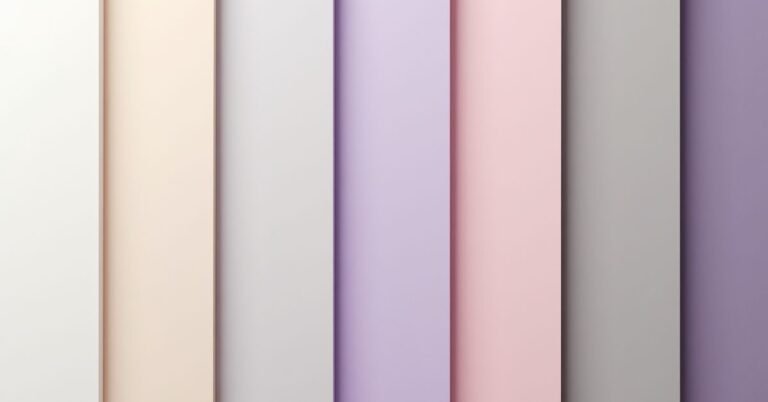
Soft retro pastels are perfect for creating a gentle and welcoming look. These colors are inspired by 1950s candy shops and vintage spring fashion. Unlike bright neons, these shades are easy on the eyes and feel very peaceful. Using these colors can make a website or a social media post feel light, airy, and full of hope.
These dreamy tones work best when you layer them together. They create a “cloud-like” effect that feels very nostalgic and sweet. Many designers use these for beauty brands or lifestyle blogs to create a sense of calm. Here are some of the best soft retro pastel combinations:
- Minty Fresh: A mix of pale mint green and creamy white for a clean, vintage feel.
- Cotton Candy: Soft bubblegum pink paired with a light sky blue.
- Lemon Chiffon: A very pale, buttery yellow that adds a touch of sunshine without being too bright.
- Lavender Mist: A dusty, light purple that feels elegant and old-fashioned.
Burnt Orange, Red & Blue: Retro Color Combo
This color mix is one of the most iconic looks from the late 1960s and 1970s. It combines the warmth of the earth with a pop of cool color. The burnt orange and deep red make a space feel cozy and energetic. Adding a splash of blue creates a perfect balance so the design doesn’t feel too “hot.” It is a classic choice for posters, clothing, and home decor.
Using these three colors together gives your project an instant “vintage cool” factor. This combo works well because the Retro Color Palettes are bold but still feel natural. It reminds people of old campfire scenes or classic sports uniforms. Here is why this specific trio works so well:
- Natural Balance: The orange and red represent fire and earth, while the blue represents water or sky.
- High Contrast: The blue makes the orange look even brighter and more vibrant.
- Versatility: You can use dark navy for a serious look or light turquoise for a fun, beachy vibe.
- Nostalgic Feel: This palette is a staple of “Mid-Century Modern” graphic design.
Old-School Cool
“Old-school cool” is all about that effortless style from the past. It focuses on colors that feel bold, confident, and timeless. Think of classic leather jackets, vintage motorcycles, and neon signs in the rain. These colors aren’t just pretty; they have an attitude that makes any project feel instantly more interesting and edgy.
To get this look, you usually need a mix of deep darks and one or two striking brights. This creates a high-contrast style that demands attention but stays classy. It is a great choice for logos or posters that want to look tough yet sophisticated. Here are some elements of the old-school cool aesthetic:
- Racing Stripes: Bold cherry red paired with stark white and deep black.
- Night Life: Dark charcoal grey mixed with “Electric Blue” or “Neon Pink.”
- Vintage Denim: Different shades of faded indigo blue with copper accents.
- Classic Chrome: Sleek silvers and cool greys for a metallic, high-end feel.
Retro Color Palette for 1970s Style
The 1970s were all about warm, earthy colors that felt connected to nature. This decade moved away from the bright neons of the past and focused on “harvest” tones. Most homes and clothes used shades like mustard yellow, avocado green, and burnt orange. These colors create a very cozy and grounded feeling that is perfect for making a space feel inviting.
Today, these 70s colors are a huge trend in interior design and graphic art. They give a “funky” yet relaxed vibe to any project. Using these shades together creates a beautiful, rhythmic look that reminds people of vinyl records and wood-paneled rooms. Below is a list of the most famous 1970s colors and their codes.
| Color Name | Feeling / Use | HEX Code |
| Harvest Gold | Classic kitchen appliances and warmth | #DAA520 |
| Avocado Green | The most famous 70s interior shade | #568203 |
| Burnt Orange | Rusty, energetic, and earthy | #CC5500 |
| Earth Brown | Deep wood tones and leather | #654321 |
| Mustard Seed | Bold, retro yellow for accents | #E1AD01 |
| Terracotta | Warm clay and pottery vibes | #E2725B |
| Dusty Teal | A cool contrast to the warm oranges | #5F9EA0 |
| Creamy Beige | The perfect neutral base color | #F5F5DC |
| Brick Red | Dark, moody red for textiles | #8B0000 |
| Olive Drab | Muted green for a natural look | #6B8E23 |
Bringing Retro Colors Into the Modern World
Using Retro Color Palettes today is not about making things look old. It is about using the “soul” of the past to make modern designs feel more human. In our world of clean white screens and grey tech, a splash of vintage color stands out. It adds a layer of personality that makes a brand or a room feel unique and memorable.
To make this work, you should balance these strong colors with modern layouts. A little bit of a “heavy” retro color goes a long way when paired with lots of open space. This keeps your project looking fresh and professional instead of cluttered. Here are a few tips for using retro colors in the modern world:
- Using a neutral modern: color for 60%, a retro shade for 30%, and a bright vintage accent for 10% is the 60/30/10 rule.
- Update the Texture: Use retro colors on modern materials like matte glass or high-quality digital displays.
- Mix Eras: Don’t be afraid to pair a 70s earthy green with a 90s minimalist grey.
- Focus on Typography: Use bold, vintage fonts with your palette to complete the look.
Conclusion
Retro color palettes are more than just a trend from the past. they are a powerful way to add heart and soul to your work today. Whether you love the soft glow of 90s anime or the bold energy of 70s orange, these colors help you tell a story. They turn simple designs into something that feels familiar, warm, and truly special.
Don’t be afraid to experiment with these nostalgic shades in your next project. You can mix old-school vibes with modern layouts to create a look that is totally unique. The best part about retro colors is that they never really go out of style. They just keep coming back to remind us of the beauty in every era.
FAQs
1. What is the most popular retro color right now?
Burnt orange and sage green are currently trending because they feel warm, natural, and very cozy.
2. How do I make retro colors look modern?
Balance bold vintage shades with plenty of white space and clean, modern fonts to keep the design fresh.
3. What is the “80s aesthetic” color palette?
The 80s look is famous for “neon” colors like electric blue, hot pink, and bright purple against dark backgrounds.
4. Why should I use retro colors for my brand?
Retro colors trigger nostalgia and help people feel an immediate emotional connection and trust with your brand.
5. Where can I find specific retro color codes?
Websites like COLOURlovers or Adobe Color offer thousands of curated palettes with exact HEX codes for any era.

Welcome to Digital Pin Media! I’m Usama Ijaz, an AI-Powered SEO, and Content Write with 4 years of experience.
I help websites rank higher, grow traffic, and look amazing. My goal is to make SEO and web design simple and effective for everyone.
Let’s achieve more together!

One Comment