Introduction
A monochromatic color palette uses different shades, tones, and tints of a single base color. You pick one hue and explore its entire range, from its lightest pastel version to its darkest moody shade. This approach creates a cohesive look because every element belongs to the same color family.
Imagine walking into a room that feels perfectly balanced and effortlessly expensive. You don’t see a chaotic clash of colors, but rather a soothing flow that guides your eyes across the space. This design trick creates a high-end atmosphere without requiring a massive budget or a professional decorator.
I will show you how to master this “one-color” look to transform your home. We will explore how texture prevents a room from looking flat and boring. You will also learn which specific colors work best for creating different moods in your living areas.
What Is Monochromatic Color in Simple Terms
Monochromatic color simply means using one single color for an entire project. You take one base hue and then use its lighter and darker versions. Imagine starting with a standard blue and adding white to get light blue or black to get navy. Every shade you create still belongs to that same original blue family.
Think of it like a family photo where everyone wears different shades of the same color. It looks organized and clean because nothing clashes. Designers use this trick to make things look professional without much effort. You get a variety of looks while keeping everything tied together perfectly.
What Does Monochromatic Color Mean
Monochromatic color comes from two Greek words: “mono” meaning one and “chroma” meaning color. It describes a color scheme built entirely from a single base hue. You simply vary the amount of light or dark added to that one color. This creates a spectrum that feels unified and smooth to the eye.
You can think of it like a paint strip from a hardware store. The strip shows one color at the bottom and gradually gets lighter toward the top. Even though the shades look different, they all share the same DNA. This technique allows you to create depth and interest without adding a second color.
How One Color Creates Many Shades
You create new shades by adding white, black, or gray to your main color. Adding white creates a tint, which makes the color look softer and lighter. Adding black creates a shade, which makes the color look deeper and darker. These small changes give you a whole range of options from just one starting point.
Think of mixing paint on a palette. You start with a bright red and slowly stir in drops of white to get pink. Then, you take that same red and add a tiny bit of black to get a rich burgundy. These different versions of red work together because they share the same base. You get a variety of looks while keeping the whole design harmonious.
Monochromatic Color Benefits for Design
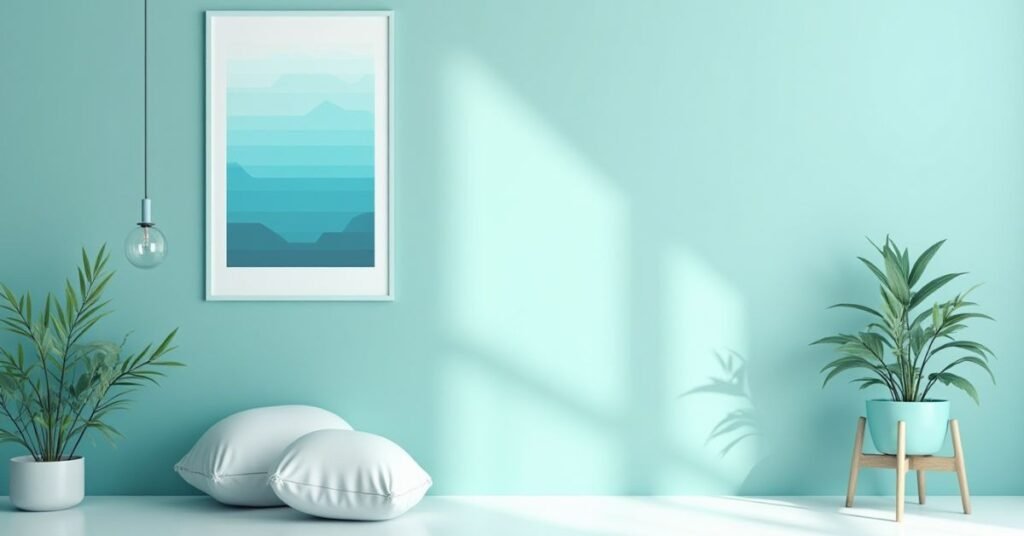
Monochromatic schemes make any space feel instantly calm and organized. You avoid the stress of matching different colors that might clash. This simplicity allows the brain to relax because it processes the room as one single, cohesive unit. It is a foolproof way to create a professional look with very little effort.
Using one color also makes a small room feel much larger. Your eyes move across the space without stopping at harsh color changes. This unbroken flow creates a sense of openness and airiness. You can focus on textures and furniture shapes rather than worrying about a busy color palette.
Key Benefits
- Effortless Harmony: Every shade naturally fits together because they share the same base.
- Reduced Stress: Simple palettes create a peaceful and soothing atmosphere.
- Highlighting Texture: One color lets you play with fabrics like velvet, linen, or wood.
- Timeless Style: A single-color look rarely goes out of fashion.
Why Monochromatic Color Looks Clean and Calm
Monochromatic designs remove visual noise from a room. Your brain does not have to jump between different colors or figure out if they match. This lack of competition creates a sense of order and clarity. The eyes glide across the space smoothly because nothing jumps out as a distraction.
This simplicity triggers a feeling of peace and relaxation. Many people associate single-color palettes with high-end spas or luxury hotels. It mimics the quiet beauty of nature, like looking at a clear blue sky or a deep green forest. You get a space that feels balanced, intentional, and perfectly quiet.
How It Makes Design Easy and Balanced
This style takes the guesswork out of decorating your home. You don’t have to worry about whether a rug matches the curtains or if the pillows clash with the sofa. Since every item comes from the same color family, they automatically look good together. This saves you time and prevents expensive mistakes when buying new furniture.
A single-color theme also creates perfect balance in any room. It prevents one part of the space from feeling “heavier” or more distracting than the rest. The room feels stable and intentional rather than cluttered or messy. You achieve a high-end, polished look by simply sticking to one beautiful hue.
Monochromatic Color Examples for Beginners
Beginners often find success by starting with neutral colors like gray or beige. You can paint your walls a soft light gray and choose a charcoal sofa for contrast. Add a silver rug and slate-colored pillows to complete the look. These different versions of gray create a sophisticated room without any risk of color clashing.
If you want more energy, try using a single bold color like navy blue. Use a deep navy for your main furniture pieces and a pale sky blue for your curtains. Mix in medium blue accents through artwork or blankets to tie the room together. This approach feels brave and stylish but remains very easy to manage.
Easy Combinations to Try
- The Forest Look: Combine sage green, olive green, and dark forest green for a natural feel.
- The Sandy Beach: Use cream, tan, and warm cocoa brown to create a cozy atmosphere.
- The Modern Sky: Mix powder blue, denim blue, and midnight blue for a clean appearance.
- The Soft Cloud: Layer different shades of white and off-white for a bright, airy space.
Monochromatic Color Palette Ideas That Look Stunning
Deep emerald green creates a lush and expensive feel in any room. You start with dark green walls and add lighter mint accents. Use olive green furniture to bridge the gap between the light and dark tones. This combination brings the refreshing feel of a forest directly into your living space.
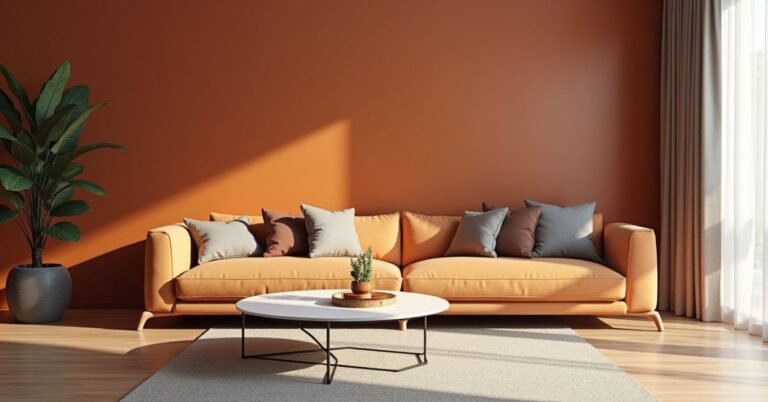
Soft terracotta shades offer a warm and inviting vibe for your home. You can mix pale peach tones with rich burnt orange pillows and rugs. These earthy colors blend perfectly because they share the same warm undertones. The result feels cozy, grounded, and very modern.
Stunning Ideas to Explore
- Midnight Blue: Layer navy, royal blue, and sky blue for a dramatic but calm bedroom.
- Warm Sand: Use beige, cream, and deep tan to make a small space feel open and airy.
- Rose Garden: Combine dusty rose with deep burgundy for a romantic and soft atmosphere.
- Steel Tones: Mix light silver with charcoal and slate for a sleek, industrial look.
Monochromatic Color Scheme for Home Design
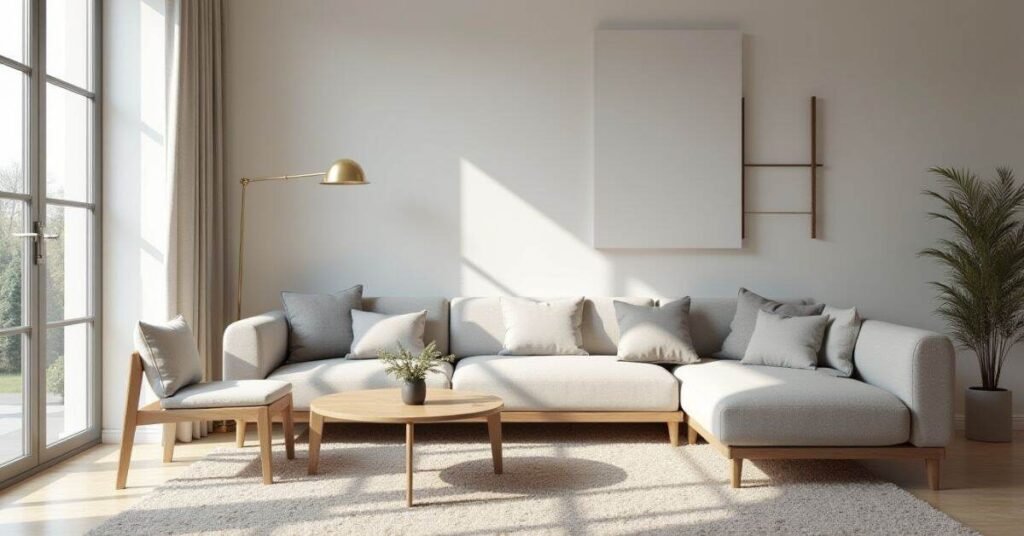
A monochromatic scheme transforms your house into a peaceful sanctuary. You pick one favorite color and apply it to walls, furniture, and decor. Using different tones of that same color creates a layered look that feels very professional. It makes the entire home feel like a single, well-planned story.
This design choice works perfectly for open-concept floor plans. The single color family connects different areas like the kitchen and living room seamlessly. You can use lighter shades in dark corners and darker shades where you have plenty of natural light. This consistency gives your home a high-end feel that never goes out of style.
How to Create a Monochromatic Color Palette Step by Step
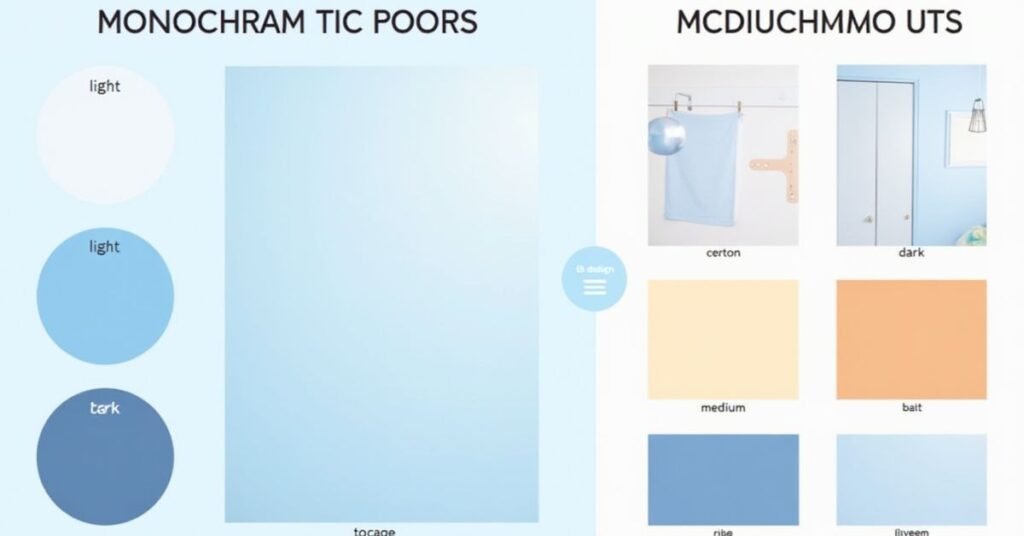
Start by picking one base color that you truly love. This color acts as the foundation for your entire room. Look at a paint strip and identify the middle shade as your starting point. From there, select two lighter versions and two darker versions of that same hue. This variety ensures your space has enough contrast to look interesting rather than flat.
Next, distribute these shades throughout your room to create balance. Use the lighter tones on large surfaces like walls to keep the space feeling bright. Save the darkest shades for accent pieces like chairs, picture frames, or rugs. Mixing different textures also helps separate the colors. A velvet sofa in a medium tone looks very different from a silk pillow in that same color.
Simple Steps to Follow
- Pick Your Base: Choose one main color that fits the mood of the room.
- Find Your Range: Collect paint chips or fabric swatches in lighter and darker versions.
- Layer Textures: Use different materials like wood, wool, and metal to add depth.
- Test the Light: Check your colors during the day and at night to see how they change.
- Add Neutrals: Include small amounts of white or black to ground the design.
Monochromatic Color vs Other Color Schemes
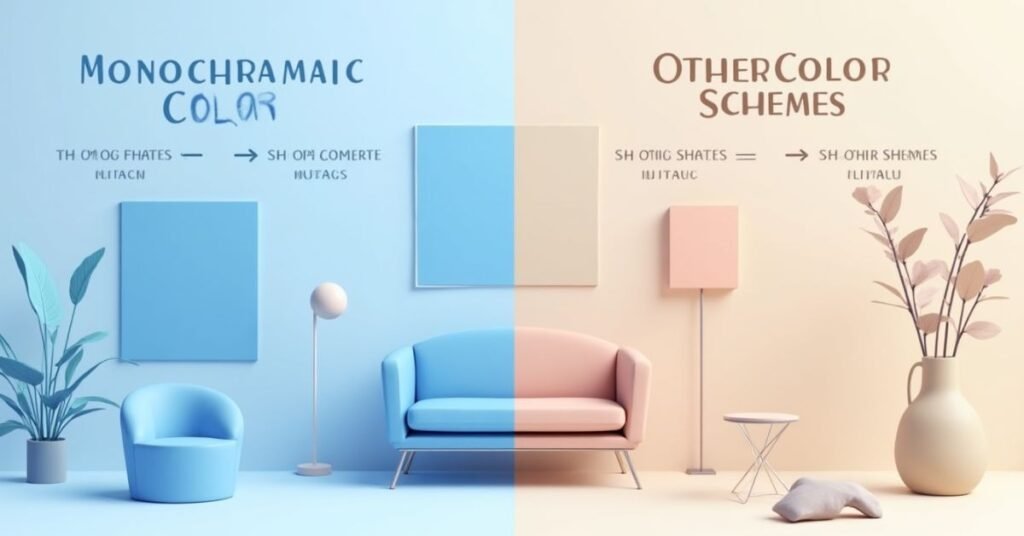
Monochromatic schemes stay within one color family, while other schemes mix different colors. A monochromatic look creates a quiet and unified feeling because no colors compete for your attention. In contrast, schemes like “Complementary” use colors from opposite sides of the color wheel to create high energy and excitement. This makes the monochromatic choice much easier to manage if you want a foolproof design.
Other schemes, like “Analogous,” use colors that sit next to each other, such as blue and green. These palettes offer more variety than a single color but still feel fairly harmonious. However, they require more careful planning to ensure the colors don’t clash. Monochromatic design remains the simplest way to achieve a high-end look because the balance is built right into the palette.
Comparing Color Schemes
| Scheme Type | Colors Used | Visual Impact | Best Use Case |
| Monochromatic | One base color (various shades) | Calm, clean, and unified | Small rooms or relaxing bedrooms |
| Complementary | Two colors opposite each other | Bold, high-contrast, and vibrant | Accent walls or energetic offices |
| Analogous | Three colors next to each other | Harmonious and natural | Living rooms with a nature theme |
| Triadic | Three colors spaced evenly | Balanced but very colorful | Children’s playrooms or bold art |
| Neutral | Whites, grays, and browns | Sophisticated and flexible | Modern kitchens and open spaces |
| Square | Four colors spaced evenly | Very busy and diverse | Eclectic or maximalist designs |
Best Monochromatic Color Combinations to Try
Sage green offers a perfect starting point for a natural and fresh look. You can pair deep forest green furniture with pale mint walls to create layers. Adding olive accents through plants or pillows brings the whole room together beautifully. This combination feels like bringing a quiet garden indoors.
Warm taupe and beige also create a very high-end and cozy atmosphere. You start with a light cream base and layer in sandy tones and dark chocolate browns. These colors blend effortlessly because they share the same warm DNA. The result is a space that feels clean, expensive, and incredibly relaxing.
Popular Combinations to Explore
- Cool Blues: Layer sky blue, denim, and navy for a peaceful, professional bedroom.
- Soft Grays: Mix silver, slate, and charcoal to achieve a sleek and modern living room.
- Earth Tones: Combine cream, tan, and espresso brown for a grounded and warm feel.
- Deep Purples: Use lavender, amethyst, and plum to create a regal and creative space.
Common Mistakes in Monochromatic Color Design
Many people make the mistake of using the exact same shade for everything in the room. This makes the space look flat and boring because there is no contrast. Without different light and dark versions of your color, the furniture and walls just blend together. You lose the architectural details and the unique shapes of your decor.
Another common error is forgetting to add different textures. A room with only smooth surfaces feels cold and lifeless, even with a great color palette. You need to mix materials like chunky wool, shiny metal, and soft velvet to create visual interest. Texture provides the variety that a single color sometimes lacks.
Mistakes to Avoid
- Lacking Contrast: Using only one medium shade instead of a range of light and dark tones.
- Ignoring Texture: Failing to mix different fabrics and materials to create depth.
- Poor Lighting: Not considering how shadows and light change your color throughout the day.
- Overcrowding: Filling the room with too many items just because they match the color.
- Skipping Neutrals: Forgetting to use small touches of white or black to ground the design.
Read More Information|https://digitalpinmedia.com/fall-colors-palette/
Monochromatic Color Tips for Modern Look
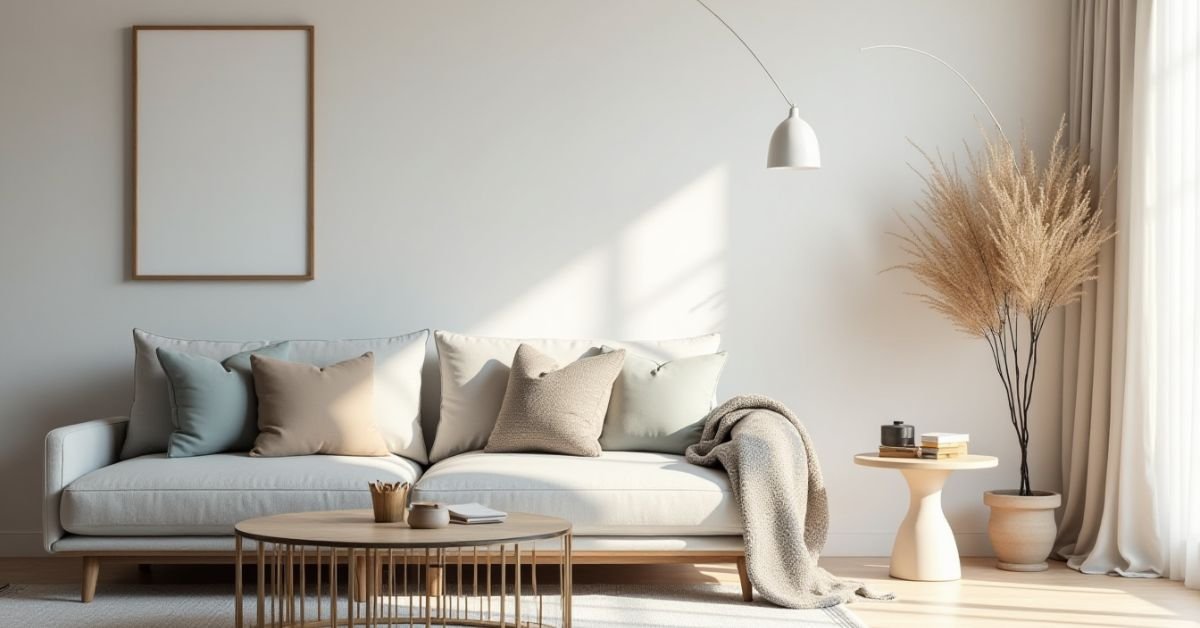
Modern design thrives on clean lines and bold choices. You can achieve this look by picking a neutral base like charcoal or cool white. Use the darkest version of your color for thin, sharp accents like window frames or furniture legs. These crisp details stand out against lighter walls and make the room feel updated and fresh.
Focus on minimalism to keep the monochromatic theme looking sharp. Remove unnecessary clutter so the eye focuses on the beautiful shifts in color. Large, open spaces allow your chosen hue to breathe and feel more impactful. A few high-quality pieces in varying shades create a more modern vibe than a room packed with matching knick-knacks.
Modern Design Tips
- Go Bold with Contrast: Pair your lightest tint with your darkest shade for a dramatic effect.
- Use Matte Finishes: Choose flat or matte paints to give the color a sophisticated, modern texture.
- Highlight Architecture: Paint trim and molding in a slightly different shade to show off the room’s shape.
- Incorporate Metal: Add silver or black metal accents to ground the single-color palette.
- Limit Patterns: Stick to solid colors or very subtle geometric patterns to maintain a clean look.
Frequently Asked Questions
1. Does monochromatic mean only using black and white? No, it means using any single color, such as blue or green, along with its various shades and tints. You can pick any hue from the color wheel as your base.
2. How do I stop a monochromatic room from looking boring? You should mix different textures like velvet, wood, and wool to create visual interest. Using a wide range of light and dark tones also adds necessary depth to the space.
3. Can I use neutral colors for a monochromatic palette? Yes, neutrals like beige, gray, and cream make excellent monochromatic themes. These choices often create a very sophisticated and timeless look in modern homes.
4. Will a monochromatic scheme make my room look smaller? Actually, it usually makes a room feel larger and more open. The lack of clashing colors allows the eye to move across the space without any interruptions.
5. Do I need to match every single item perfectly? No, the goal is to use different versions of the same color rather than an exact match. Slight variations in tone actually make the design look more professional and intentional.
Conclusion
Choosing a monochromatic palette is the easiest way to make your home look professional. You don’t need a huge budget or a degree in design to get it right. Just pick a color you love and play with its many different shades. This simple trick creates a space that feels both stylish and incredibly peaceful.
Relaxation and ease should be your top priorities in your home. A single-color theme removes visual clutter and brings a sense of order to your daily life. Start with one room and see how the transformation changes your mood. You will likely find that less color actually leads to a much more beautiful result.

Welcome to Digital Pin Media! I’m Usama Ijaz, an AI-Powered SEO, and Content Write with 4 years of experience.
I help websites rank higher, grow traffic, and look amazing. My goal is to make SEO and web design simple and effective for everyone.
Let’s achieve more together!